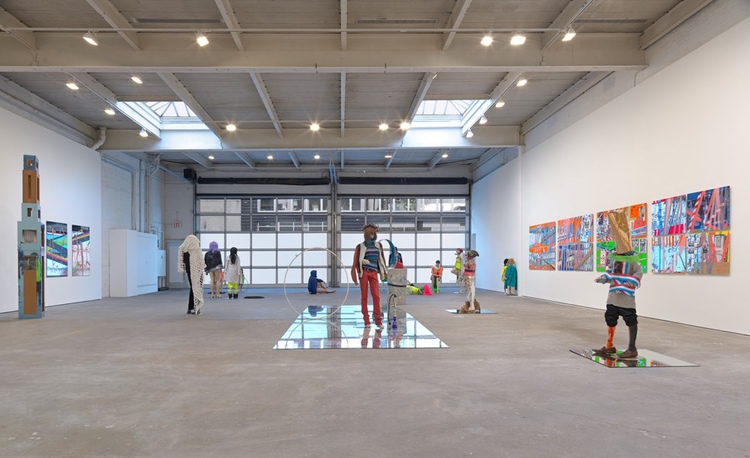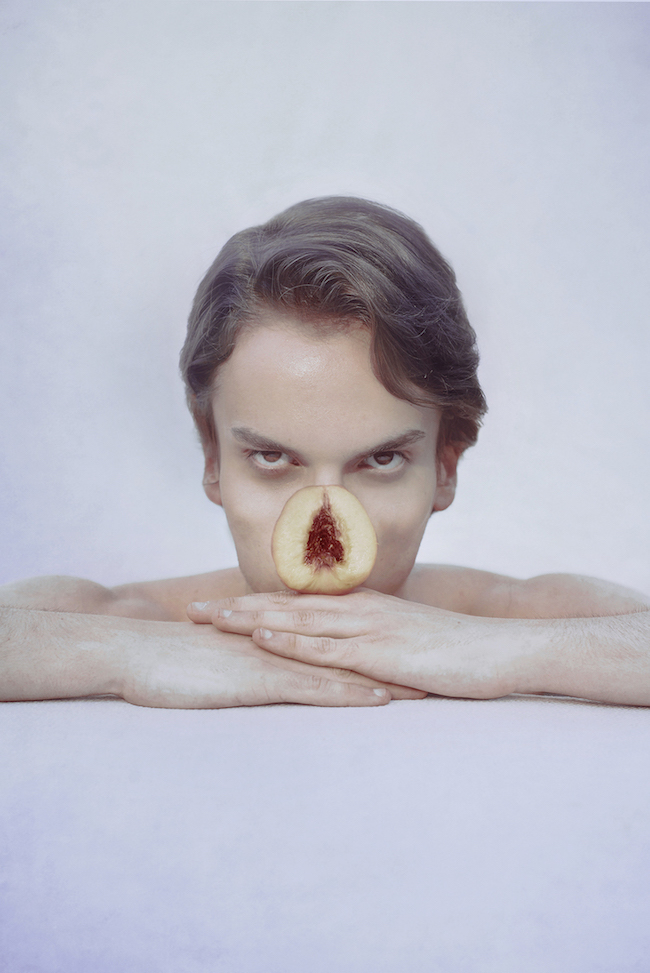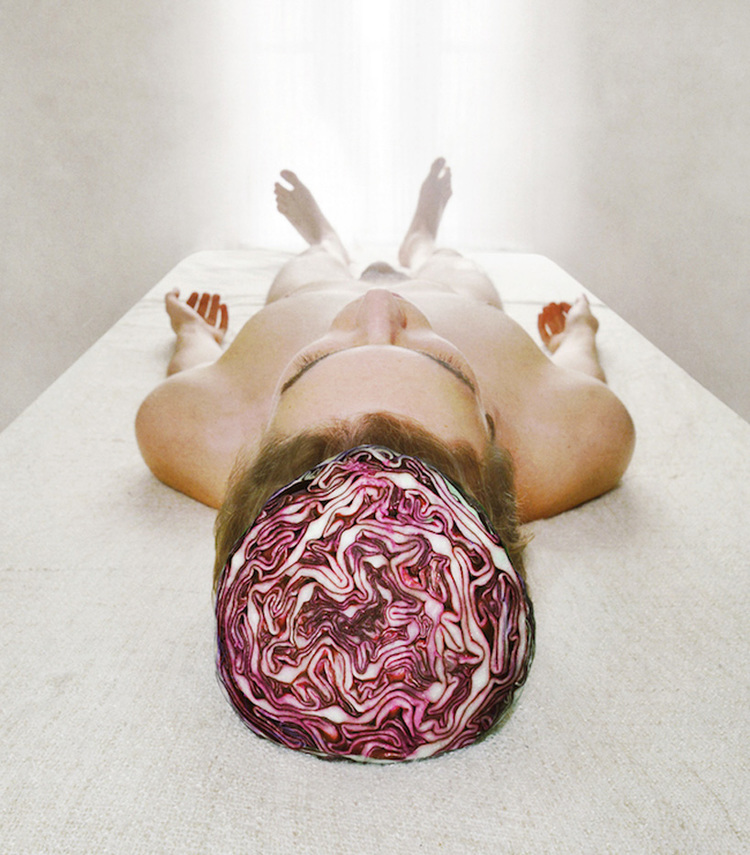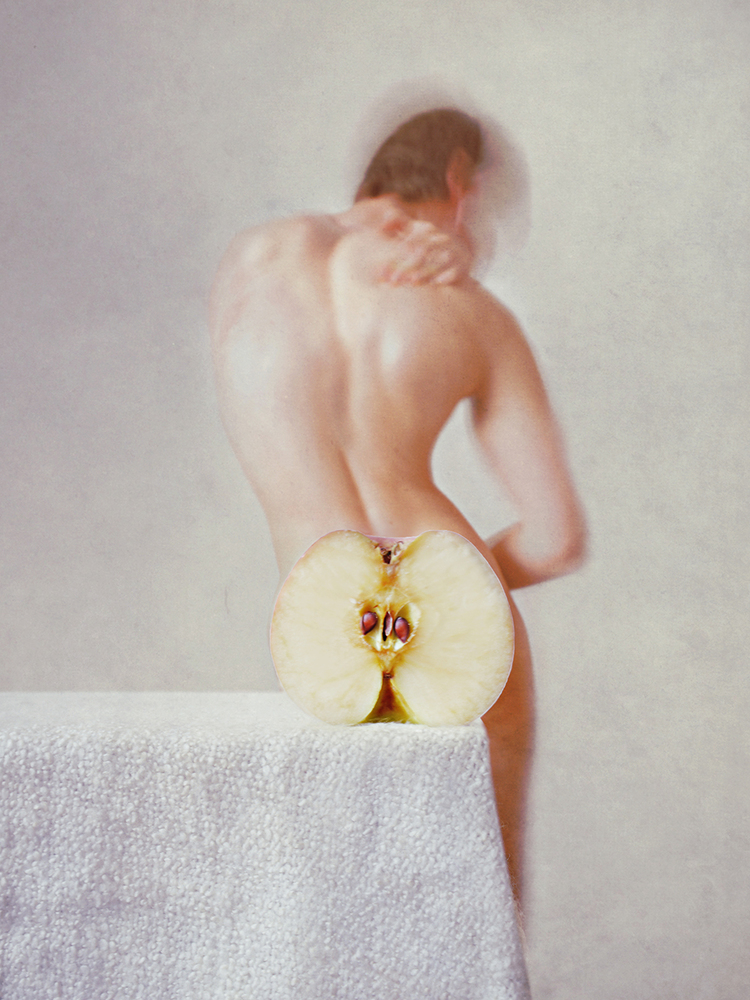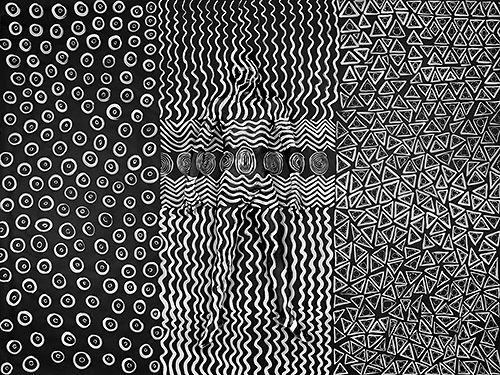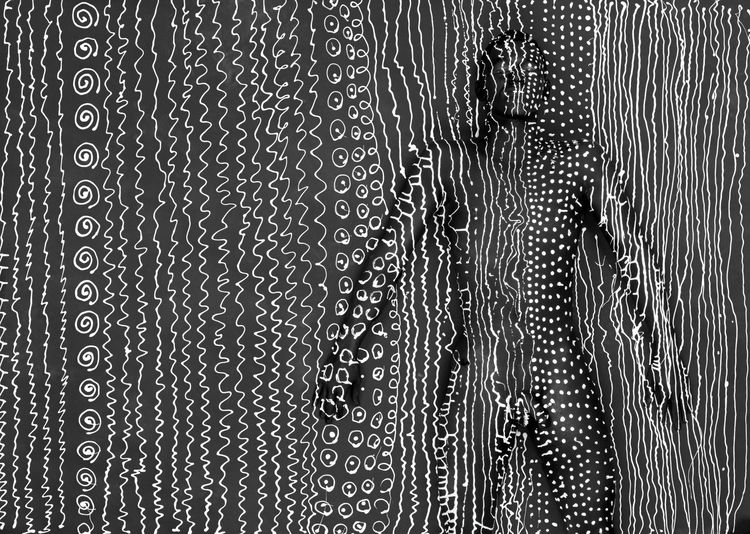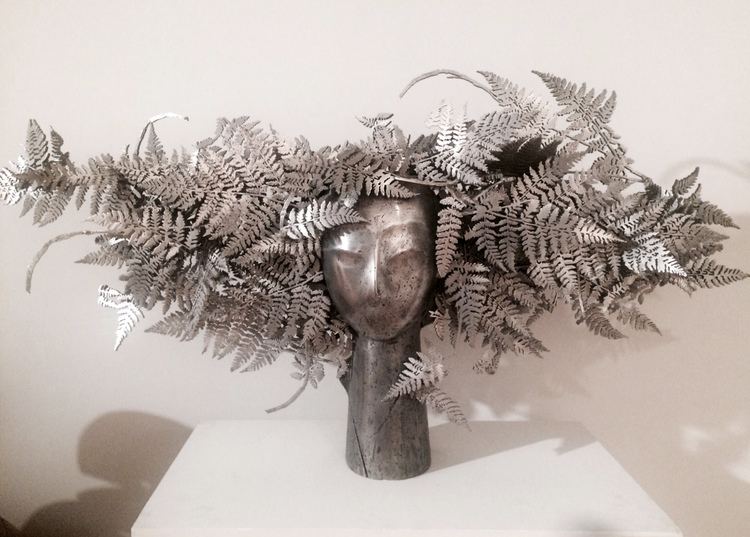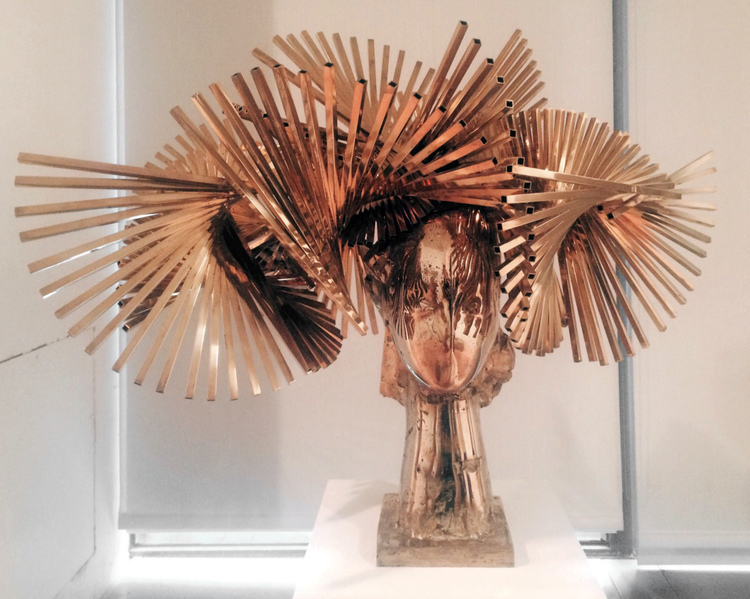
 On a recent trip to New York, ARTCUBE had the pleasure to tour the studio of young artist Andrew Zientek. Recently showcasing artwork to be sold at the charity auction event MTV RE:DEFINE, he is someone to pay attention to. Andrew is also trained as a landscape architect and you can certainly see the influence in his art, as his practise investigates the perception of human consciousness in an environment. With his work still on our minds, we sat down for a chat to further come to grips with his concepts and creative process – and also discover what he thinks the art world needs right now.
AC: What concepts or themes are eminent in your practise?
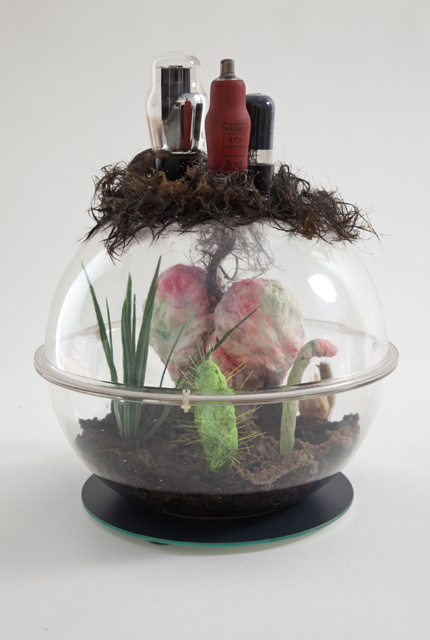
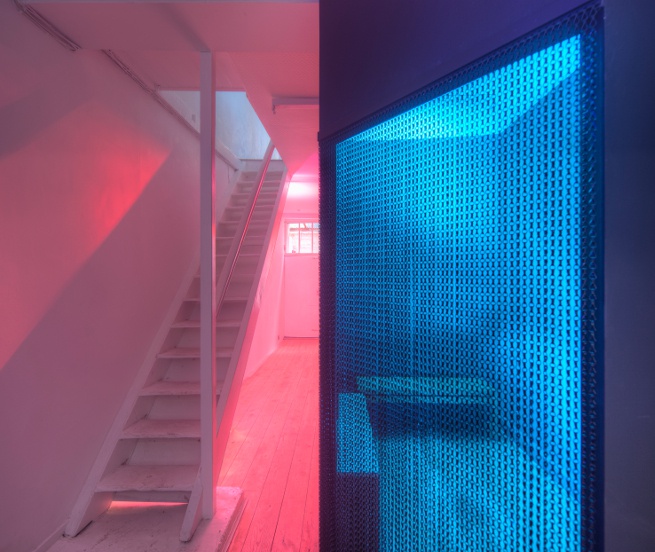
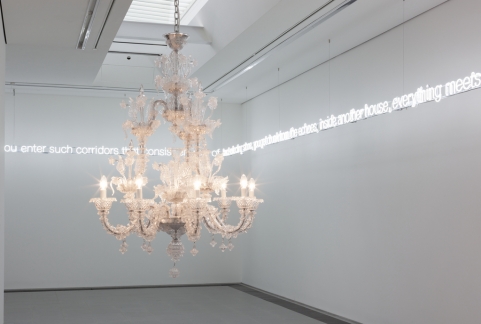
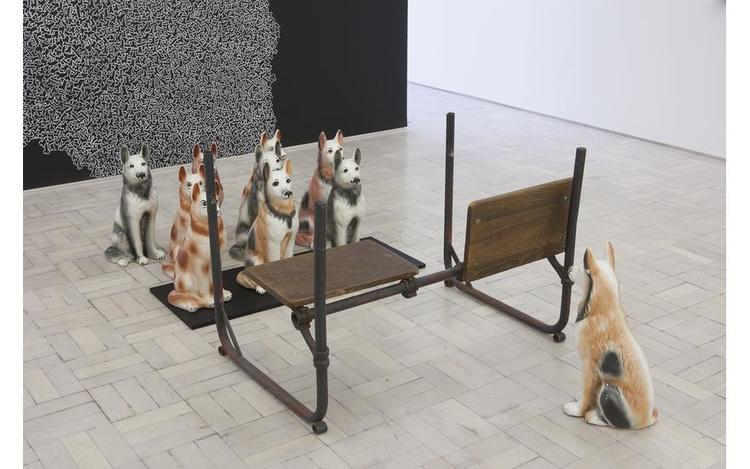
AZ: Research and self-education. This is not so much the theme of the work, but more so the theme of the approach. Most of the work is focused on ideas of the subtle, ideas of displacement in contemporary culture, and experiments with the physical and perceptual relationship between person and local environment.
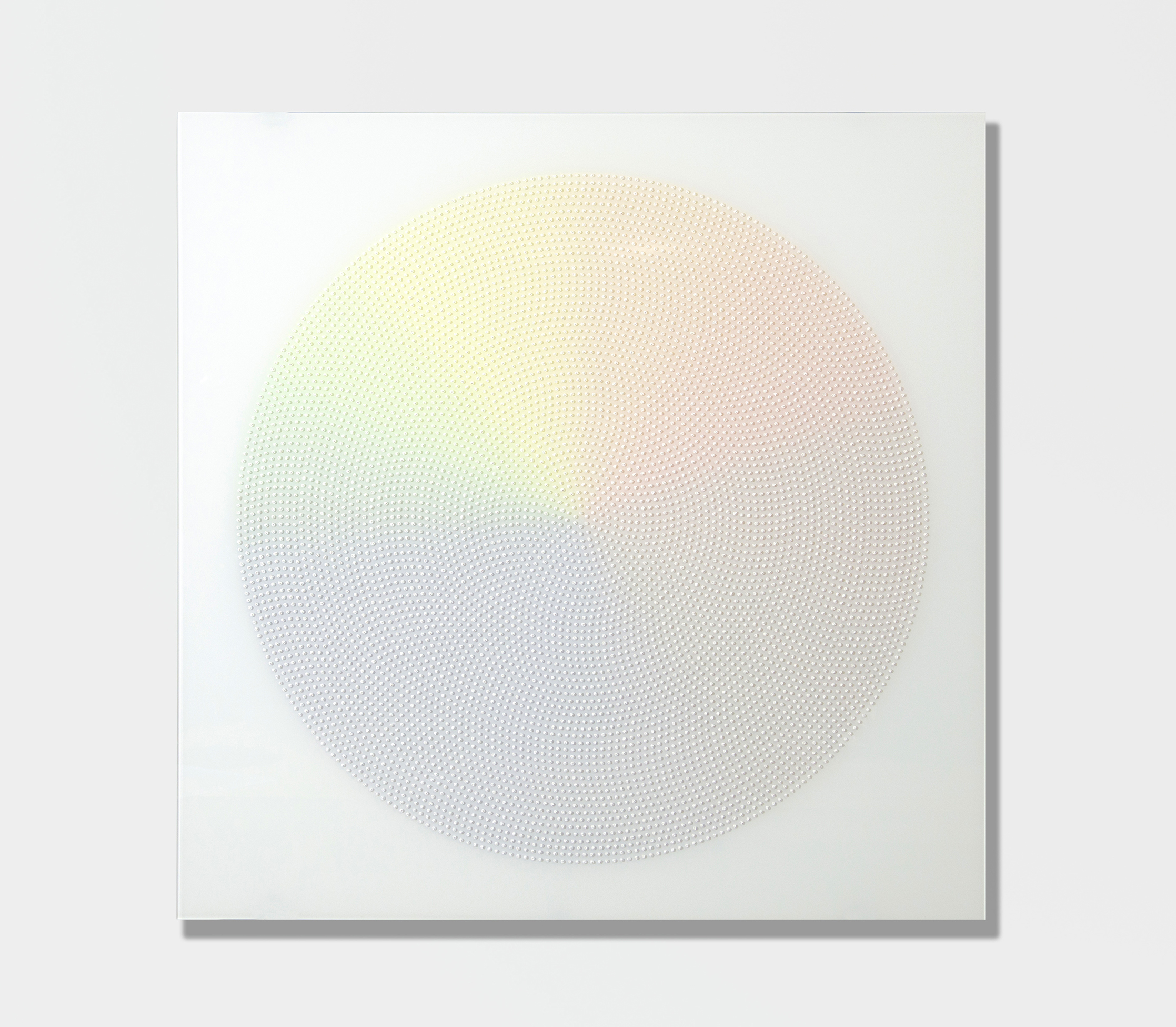
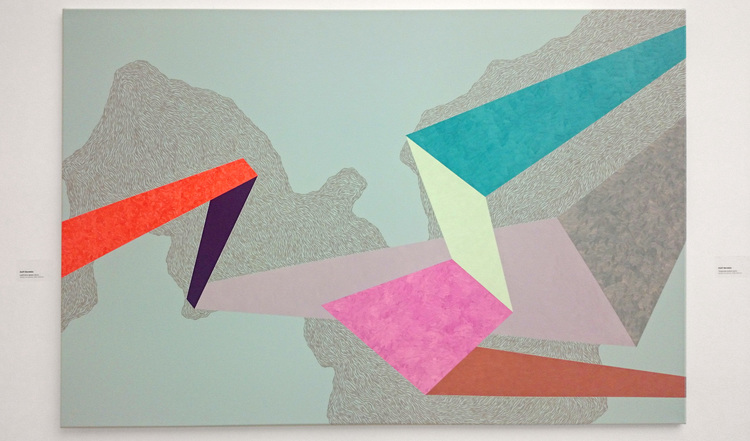
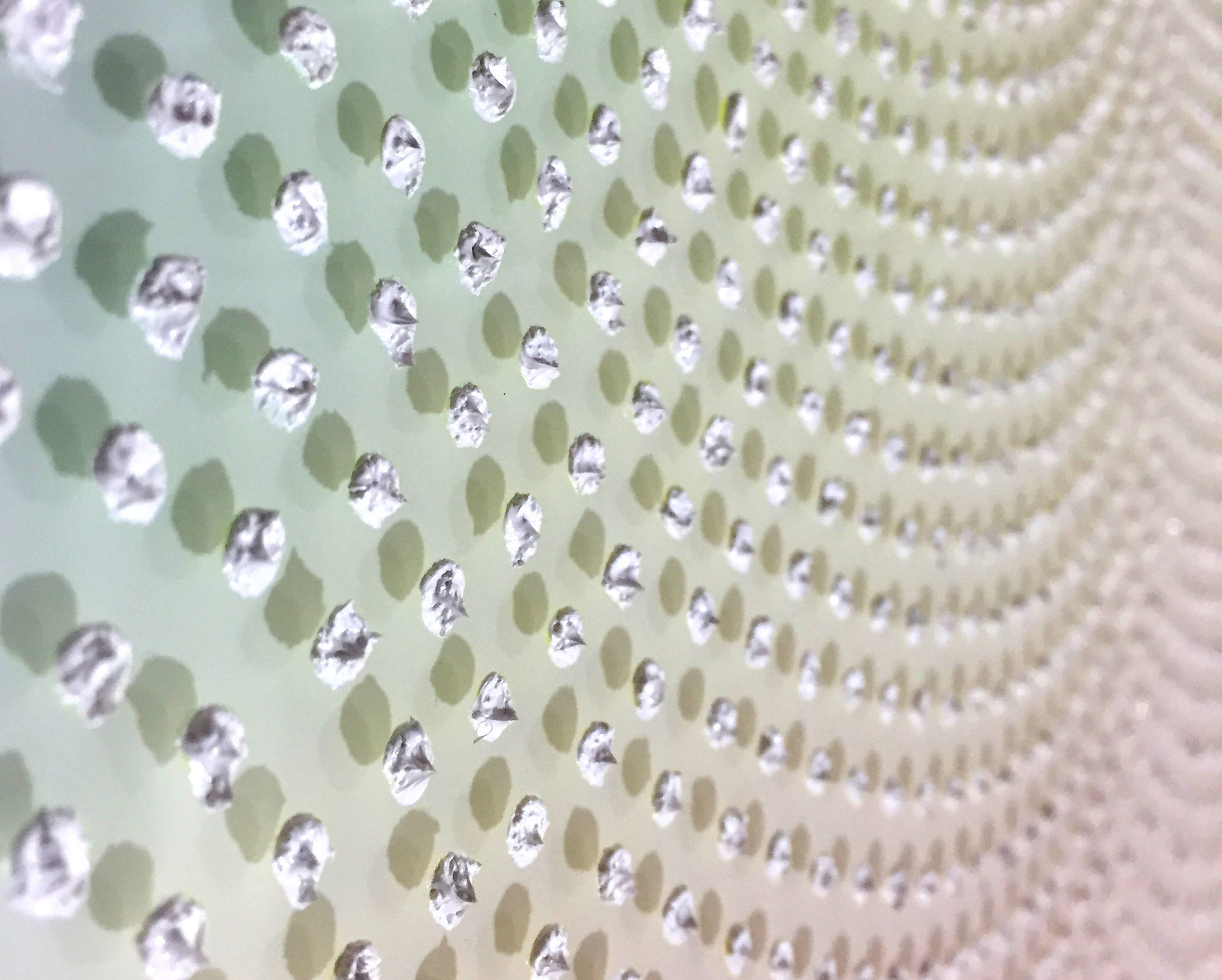
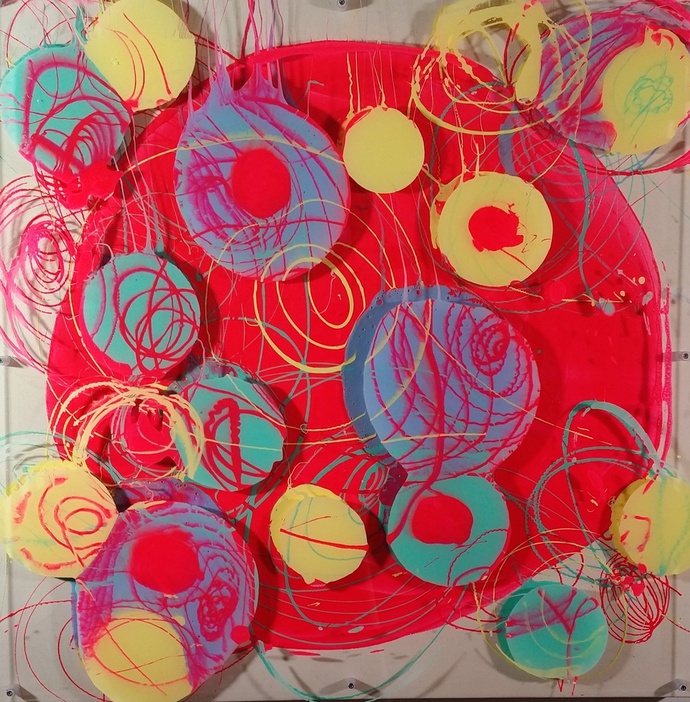
AC: We find the piece ‘Untitled / I enjoy your false narrative’ particularly intriguing; it possesses a transparency and scientific feel that is visually immersive. We wonder if you could tell us a little bit more about the significance of these pieces and the process of creating them.
AZ: This particular piece is one of my favourites from the recent body of work. It started with a fascination with a colour wheel produced by Michel Eugène Chevreul who was a French chemist in the 1800’s. His representation was one of the first widely accepted color wheels and adopted by artists. I’ve never seen the original work, only a jpeg from the internet. I am equally drawn to this displacement and distance from the original as I am to the quality of the original.

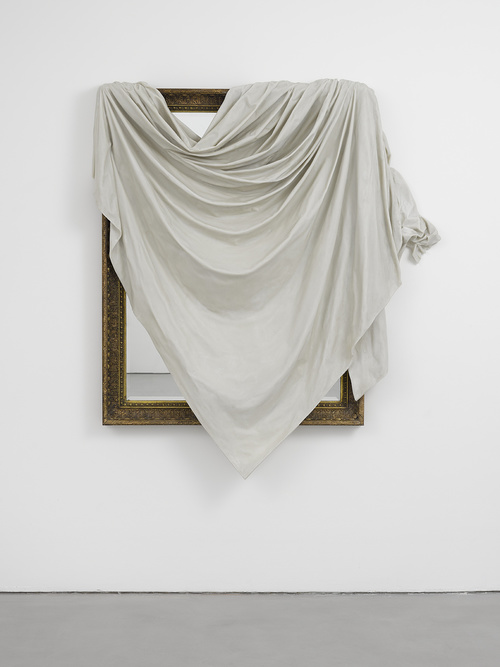
This is the first work in a new series of “underpaintings” where the actual content, in this case an abstracted pattern of dots produced from Chevreul’s color wheel, is then over painted with thick daubs of white oil paint on a white mirror. The color is completely hidden from direct view, but is reflected back into the white mirror to create a kind of color haze in the thickness of the glass. I think this is the world we live in right now, first order perception via degrees of separation, and alteration.
AC: Could you tell us about what you are working on now?
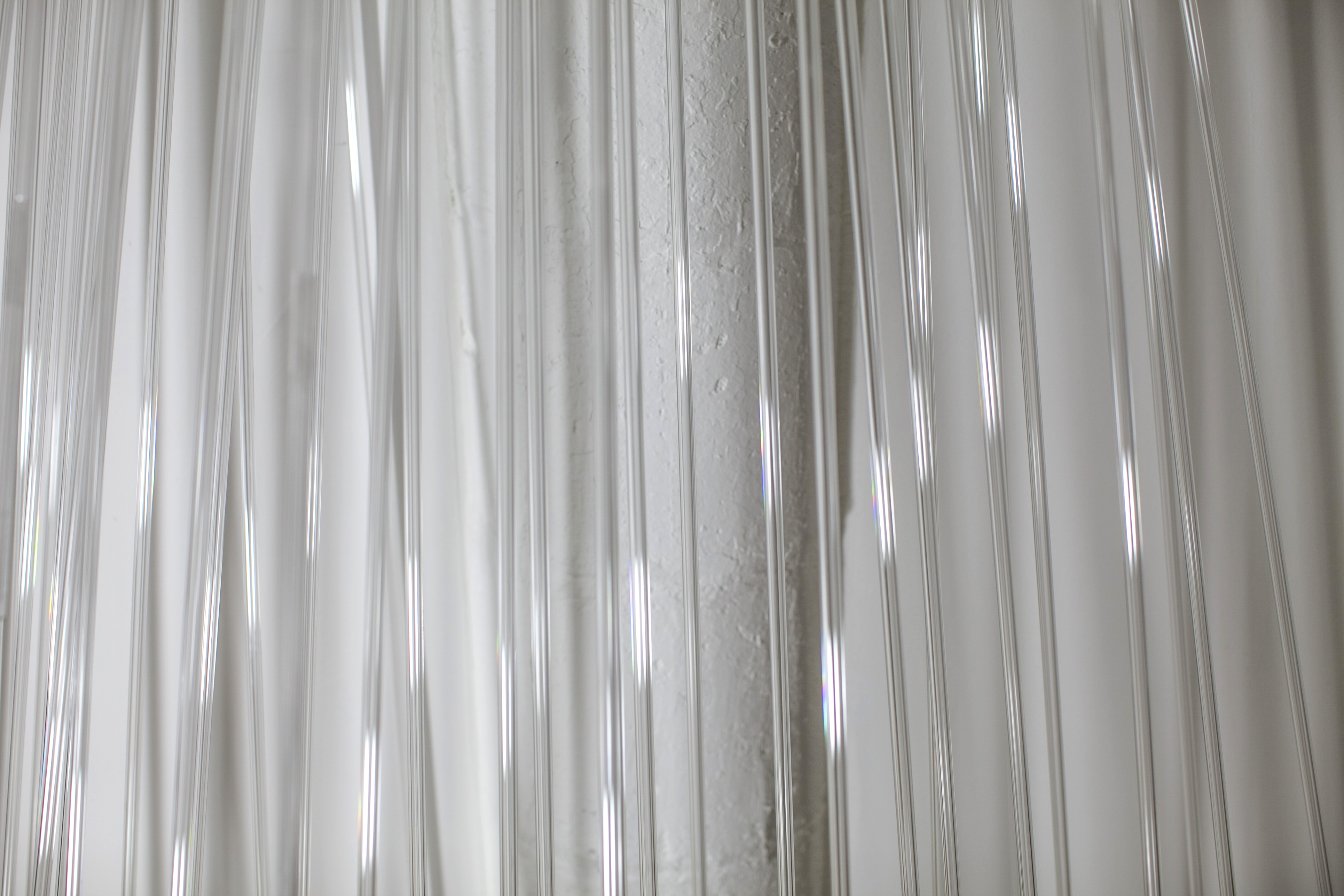
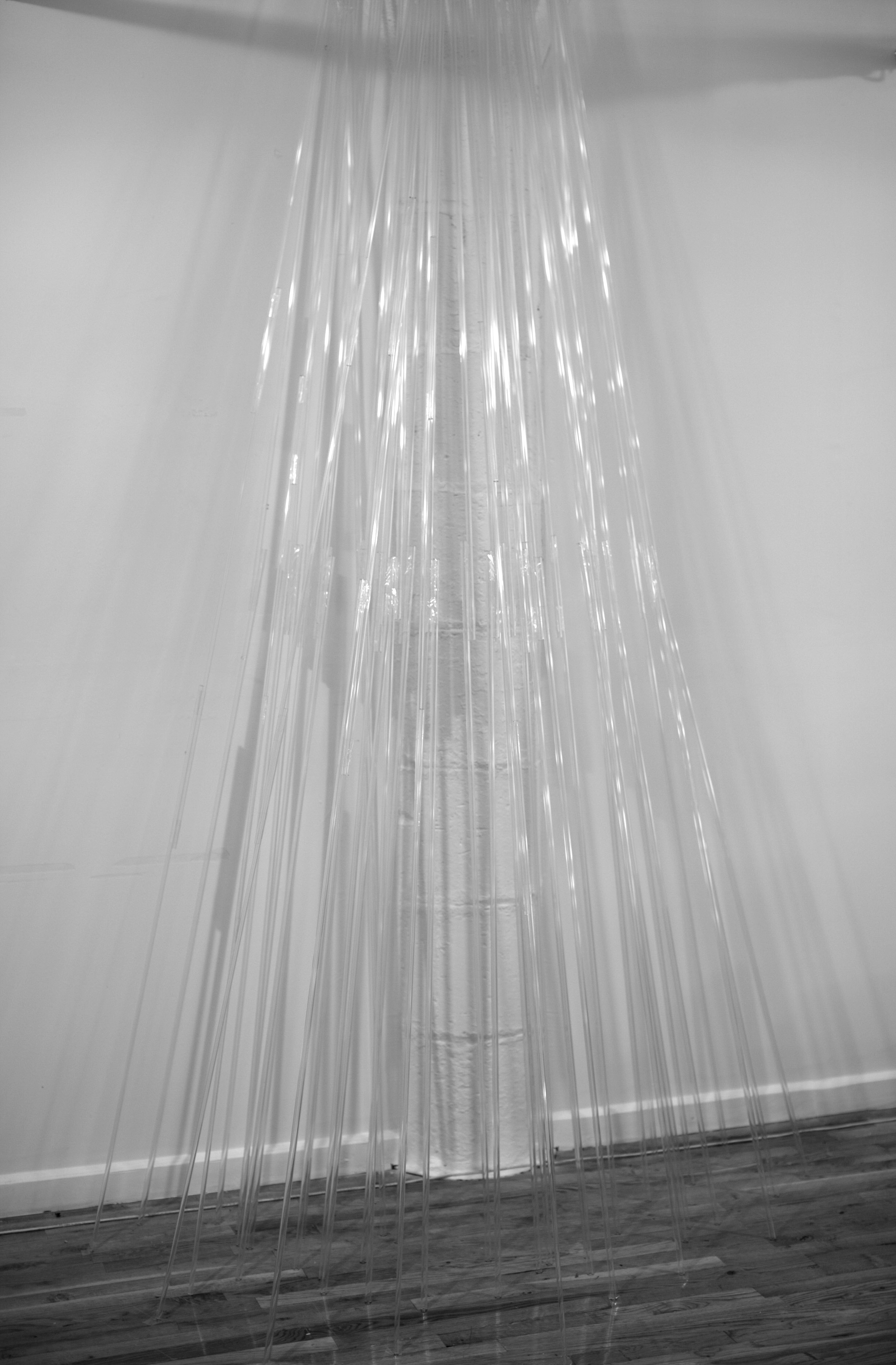
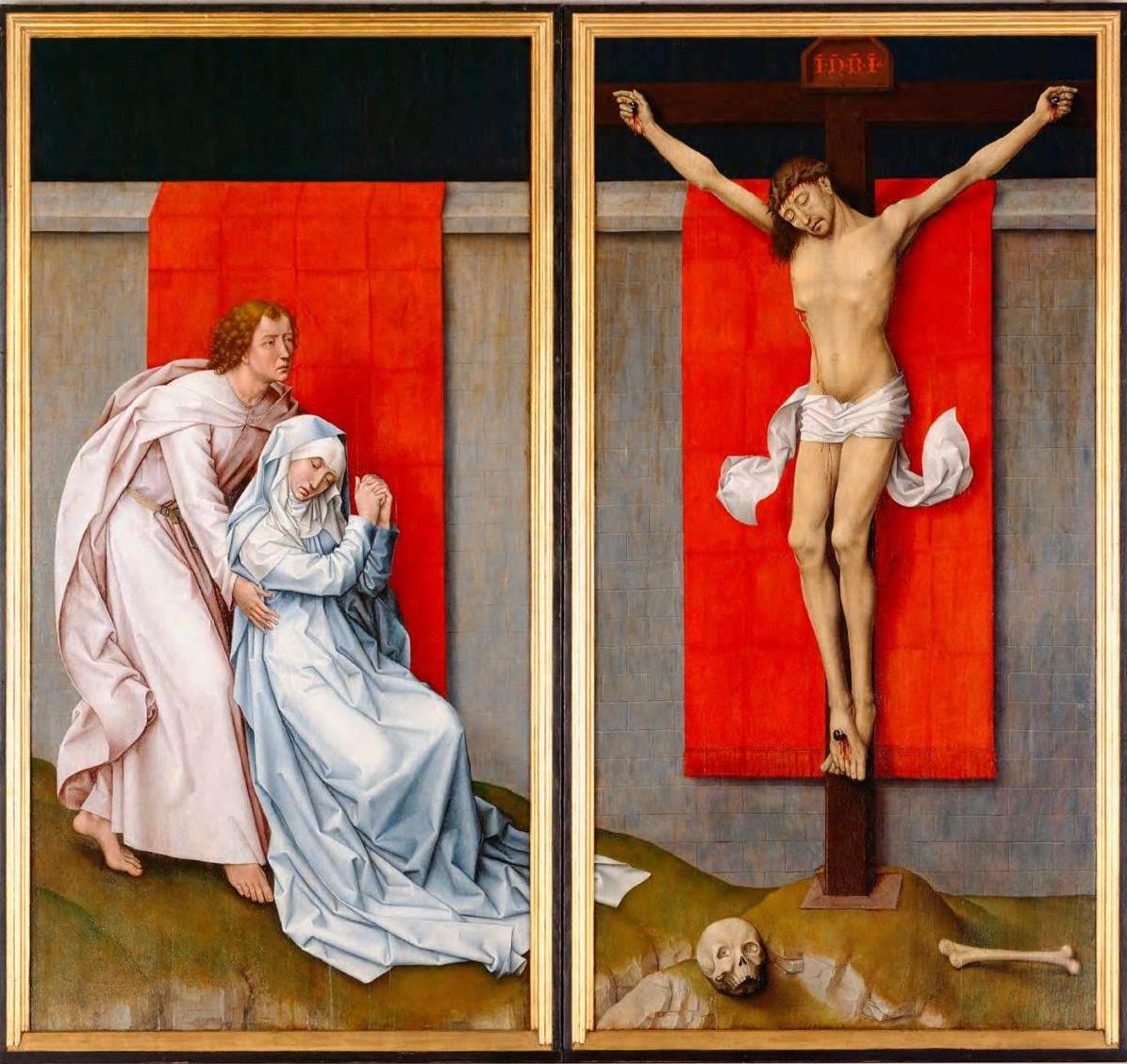
AZ: Two things – one is a large scale installation or pavilion work with very long glass rods that I’ve been experimenting with in the studio and am currently looking for a venue to realize it in. The other is the next “underpainting” piece, which is based on a Crucifixion painting by Rogier van der Weyden from 1460. Weyden’s work was the entry point for my curiosity into the practice of underpainting and this particular painting is an amazing work from a color field perspective. Its almost like a Josef Alber’s painting turned into representational religious iconography. The painting depicts a truly gruesome event, but in this beautiful, antiseptic way which speaks to my interest in contemporary displacement.
AC: What response do you want from your viewer/audience?
AZ: Curiosity and awareness. I think everything meaningful stems from the simple act of being aware. As I’ve gotten older I’ve let go of other provocative or utopian desires, but curiosity and awareness grow more and more important to me and I hope to share them.
AC: What is the best advice you have been given as an artist?
AZ: Be true to yourself. Otherwise ‘they’ can smell it. But if I’m being honest, it is advice that I’m only very recently starting to truly embrace.
AC: In your opinion, what is missing from the art scene today?
AZ: I’ve never liked this type of thinking. The art scene changes. Society changes. Everything changes. Artists, I think, have always been both a mirror of current culture and a lens to possible futures. I don’t think that is any different today.
You can see more of Andrew’s work on his website www.andrewzientek.com
and go follow him on Instagram @andrewzientek
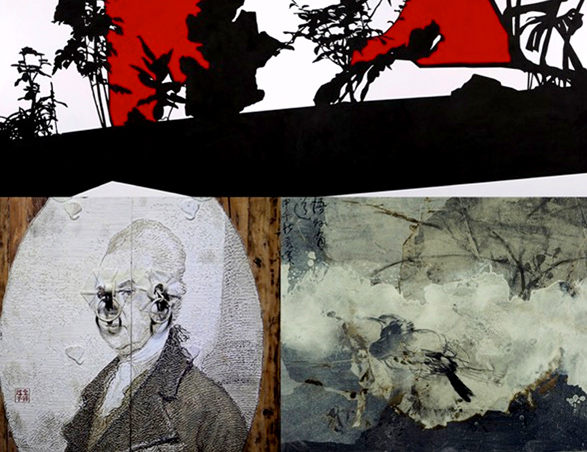 Quite a topical exhibition given the China-UK Year of Cultural Exchange, the New Chinese Art show at Saatchi gallery is set to be one of the highlights of the festival. Presenting three leading Chinese artists: Shen Qibin, Jin Feng and Guan Ce, see the work some of China’s most exciting contemporary artists in Europe for the first time.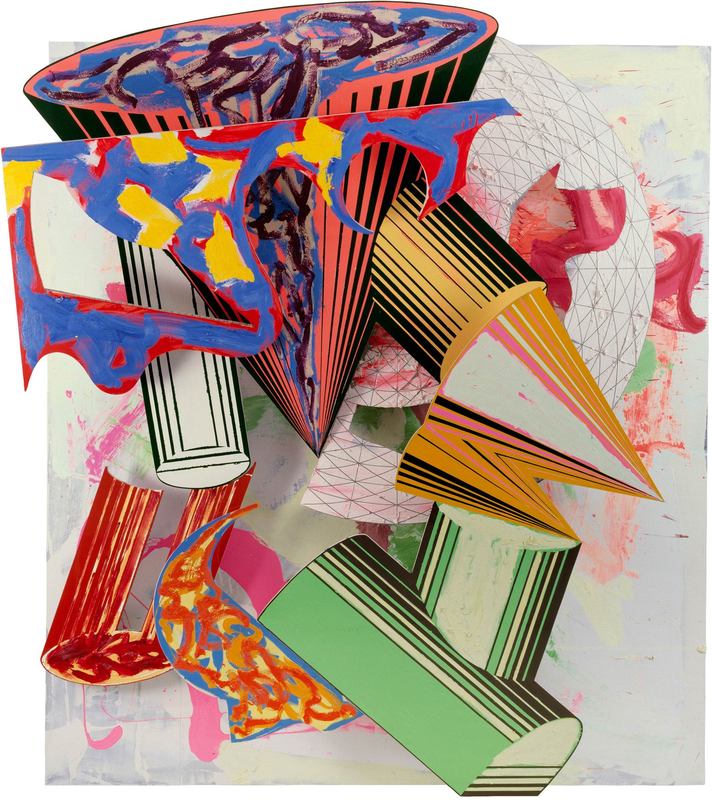
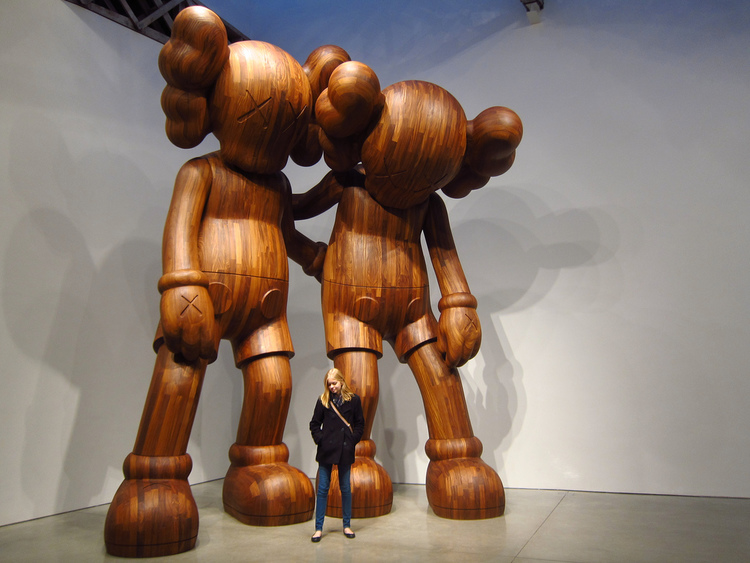 It’s like a Thanksgiving miracle with Kaw’s giant sculptures devouring the Brooklyn Museum lobby. Former street artist, whose accomplishments include designing re-known balloons that overlook the entire of New York at Macy’s Thanksgiving Parade, and designing the set of MTV’s Music Awards, Kaw’s work certainly is anything but unnoticed. The 18-foot tall sculpture depicting a skull impression of Mickey Mouse is a sight for sore eyes. Drop the Mic(key) and head down for this overwhelming experience.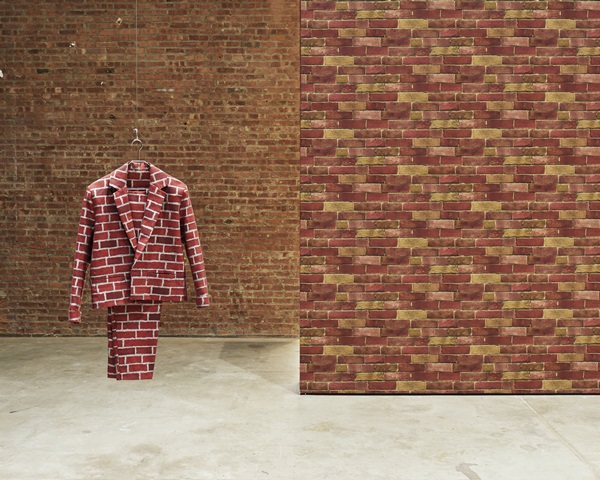
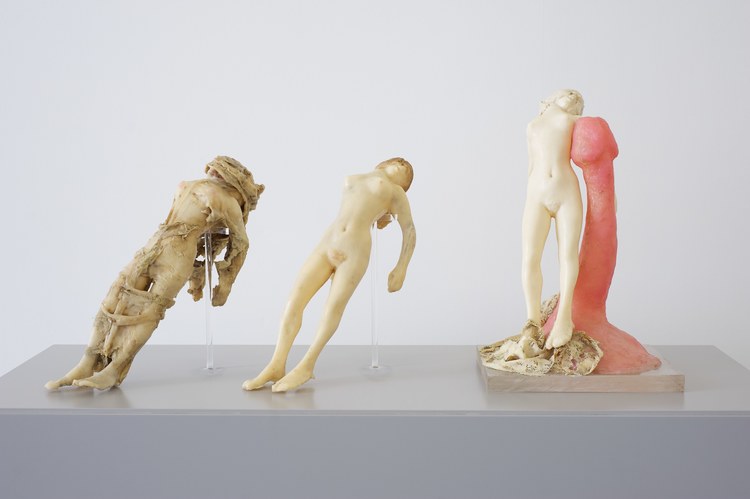 A Polish sculptor and survivor of the dark days in Auschwitz, Bergen Belsen and Theresiendstadt her work provides the remnants of her experiences. Alina Szapoczikow translates World War II through sculptures exploring violence and dark eroticism, drawing aspects from Surrealism, Pop Art and Post-minimalism. These freestanding figurative sculptures from the 60’s and 70’s would send chills down your spine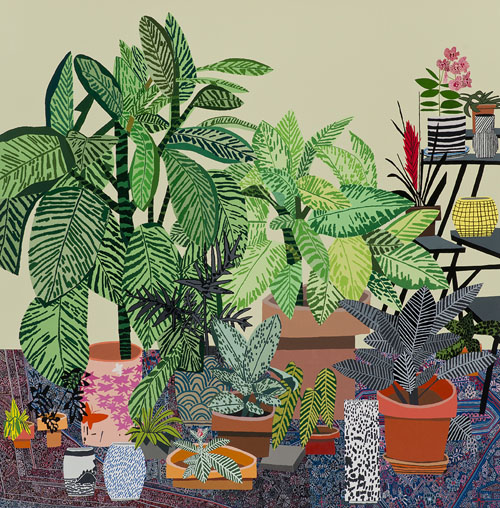
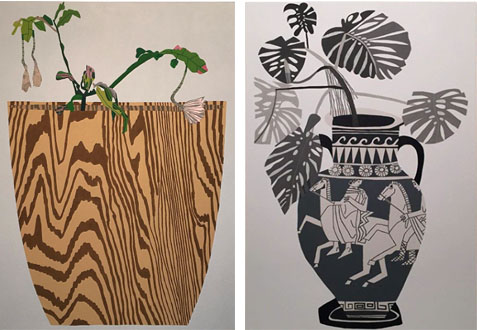
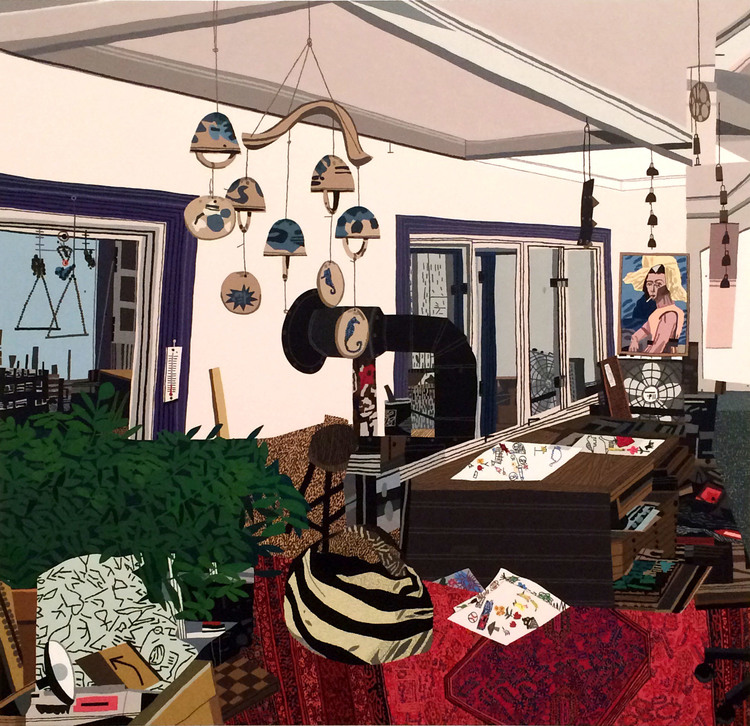
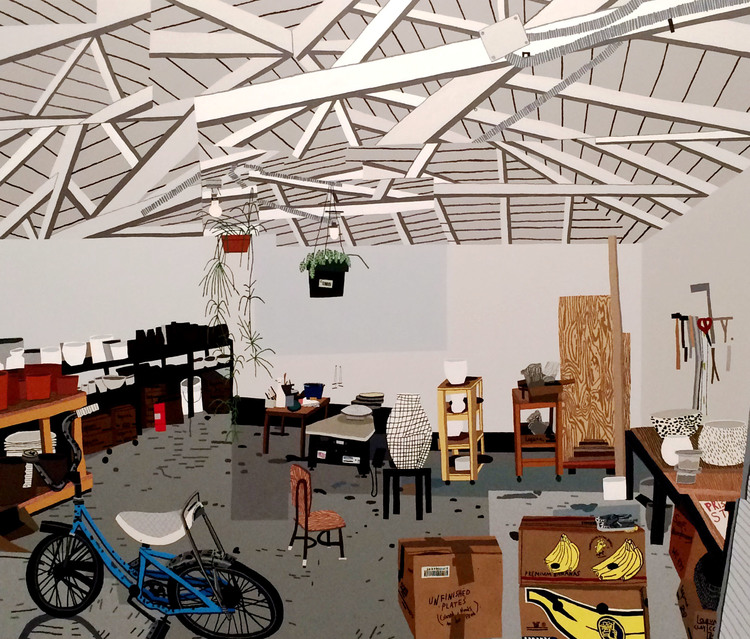 Before you let your thoughts run to the stereotypical notion ‘I could’ve done that’ lets call it truce and uneasily fess up to our inability to even make these seemingly basic paintings. You would never expect a compilation of influences as diverse as Wood’s to make sense. From interiors by great artists such as Henri Matisse, Pierre Bonnard and David Hockney, alongside Chinese and Japanese still-life, ancient Greek pottery and textiles by Josed Frank. All compacted into one show, but how well to they all interact?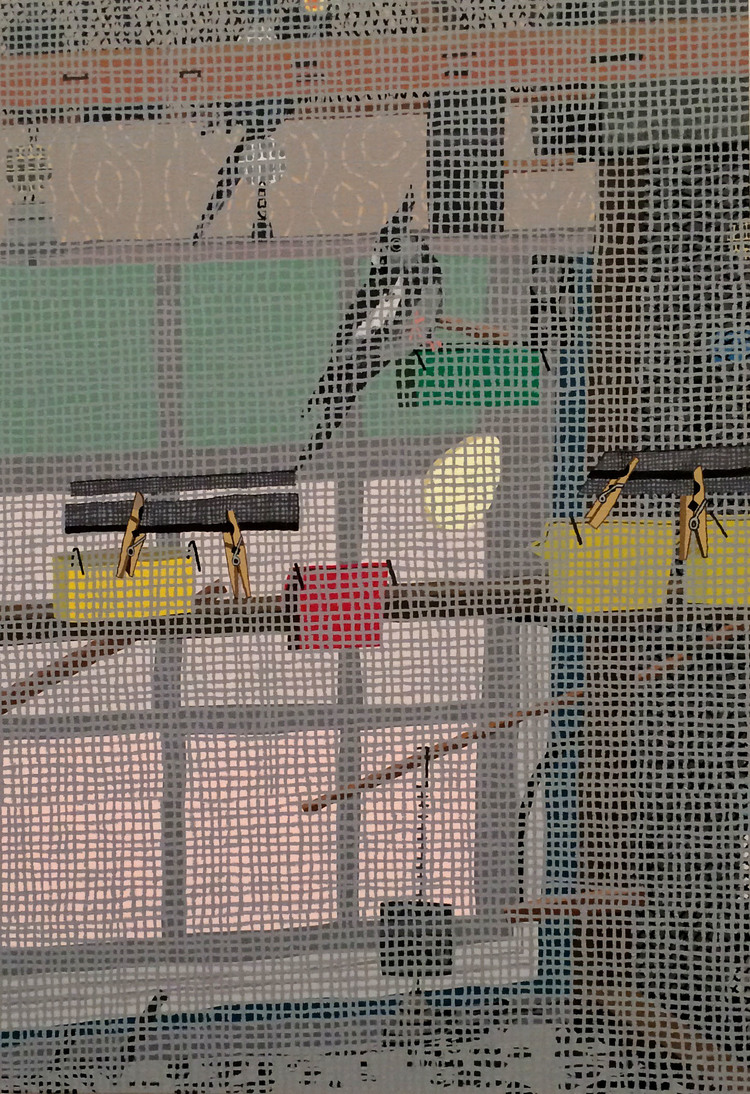
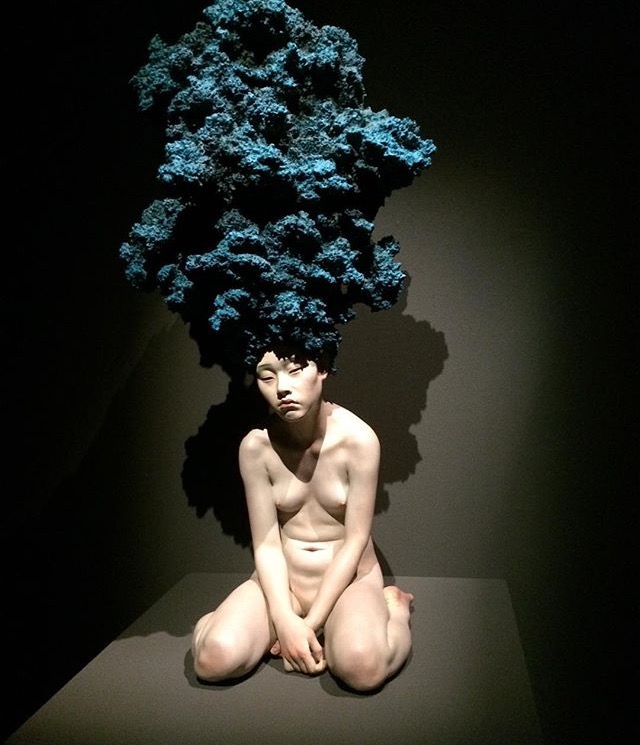
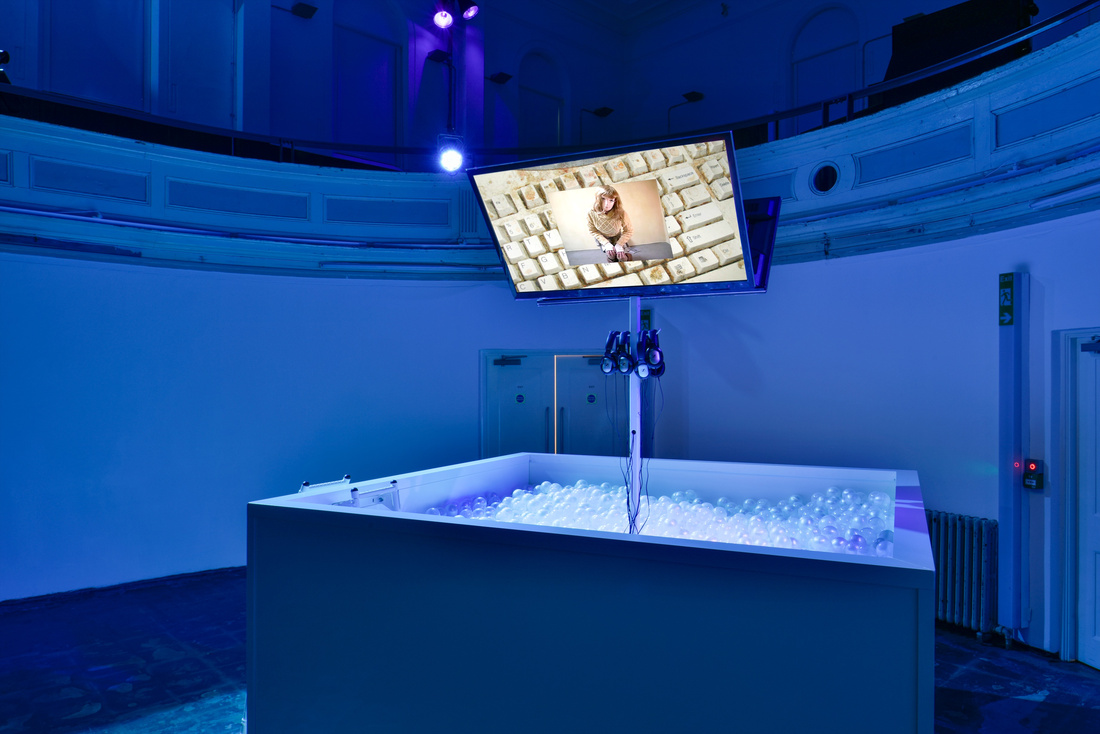
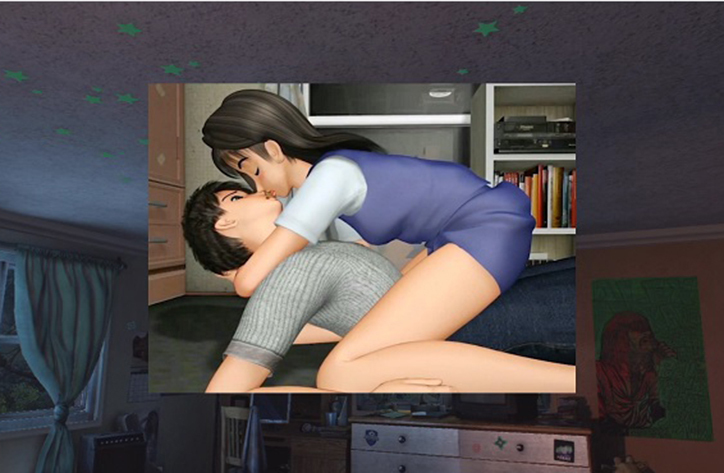
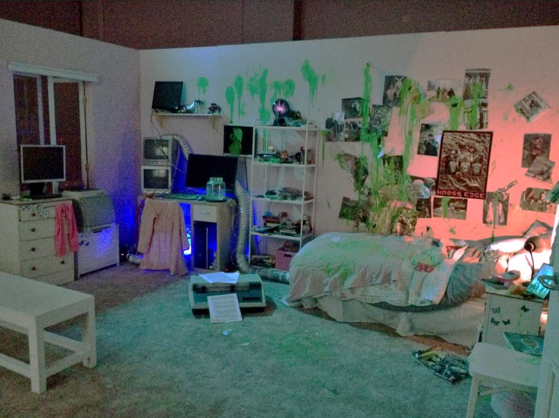
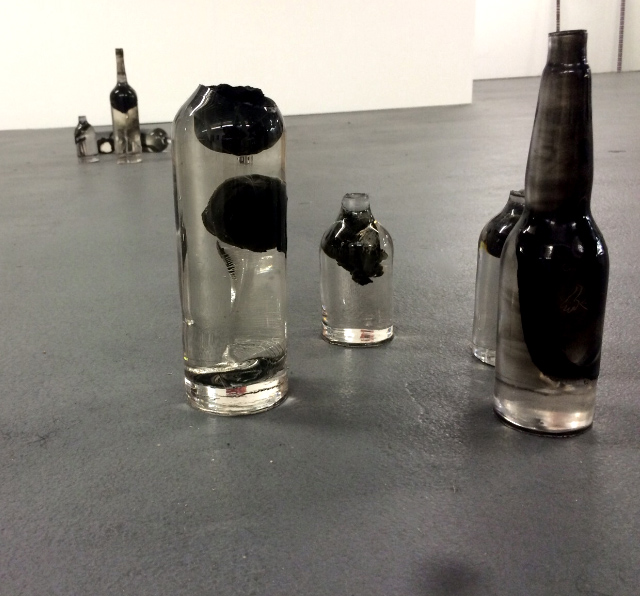
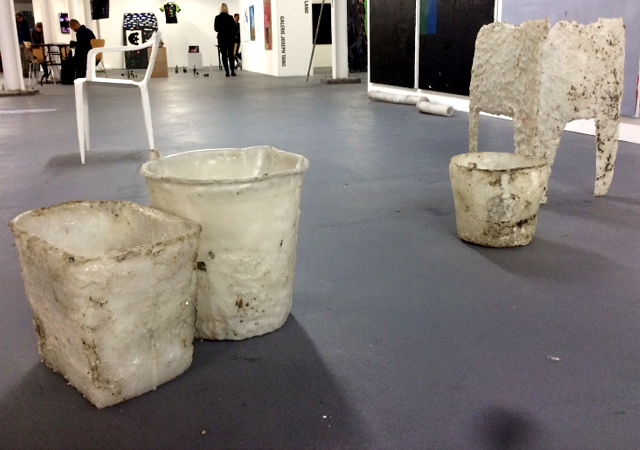
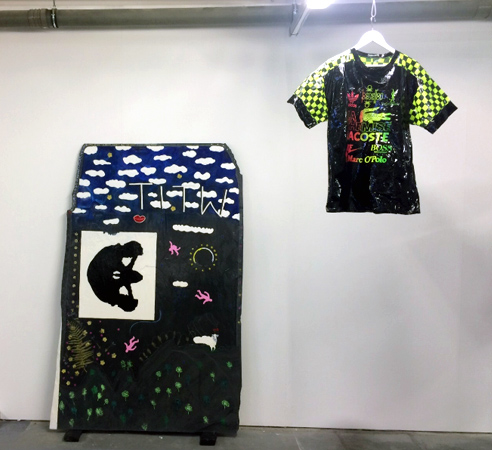
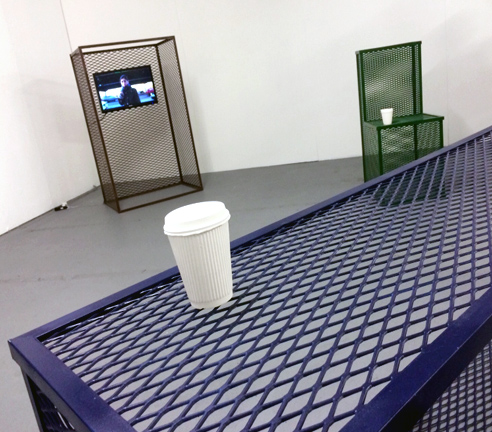
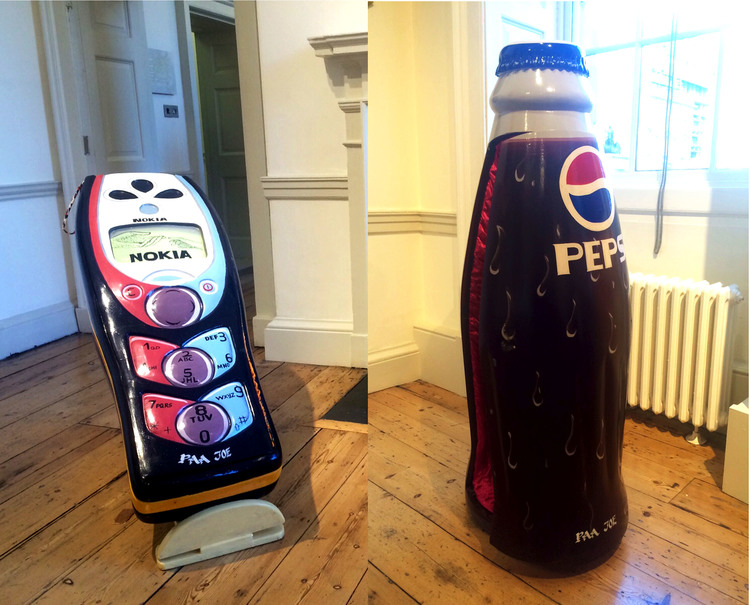
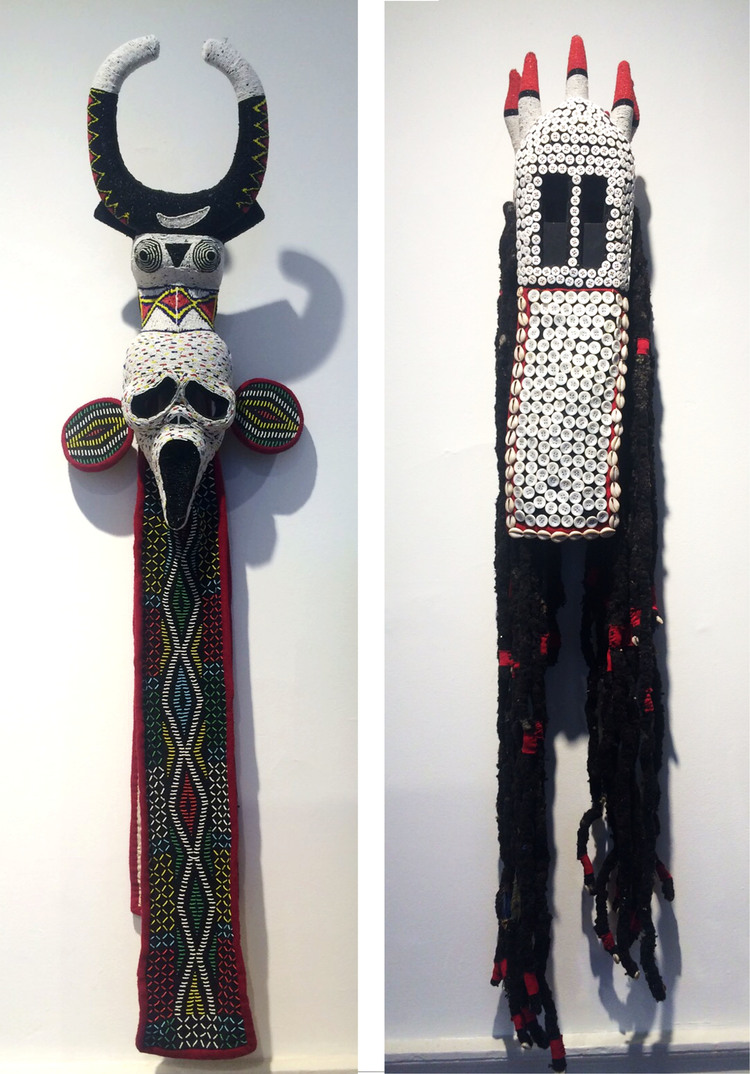
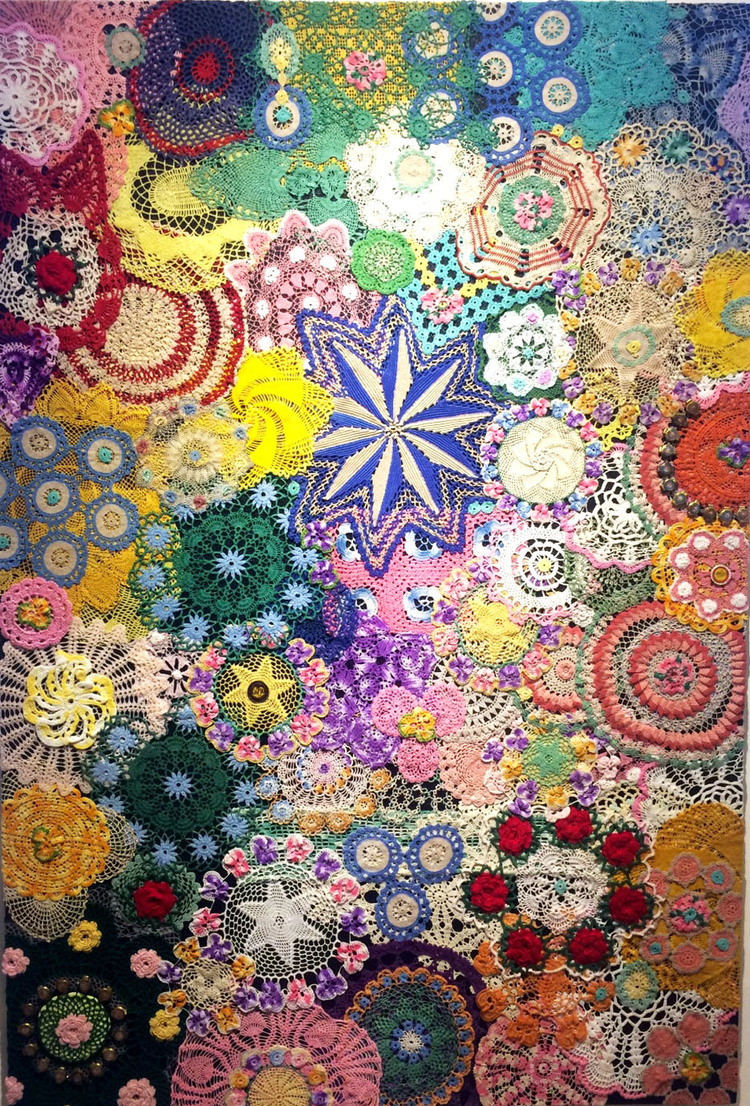
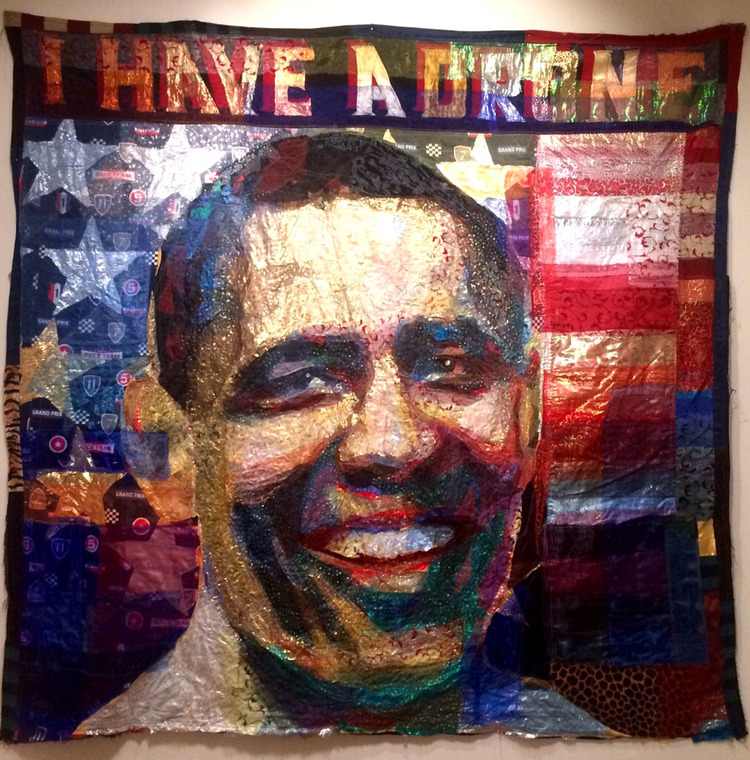
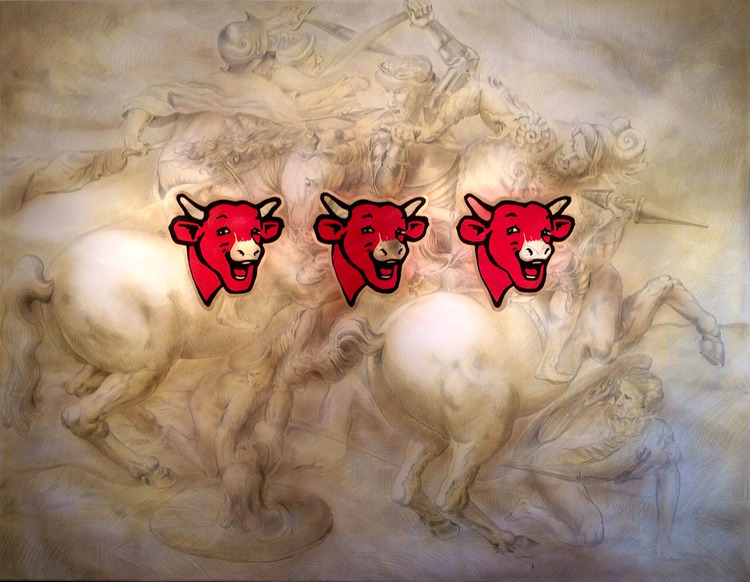
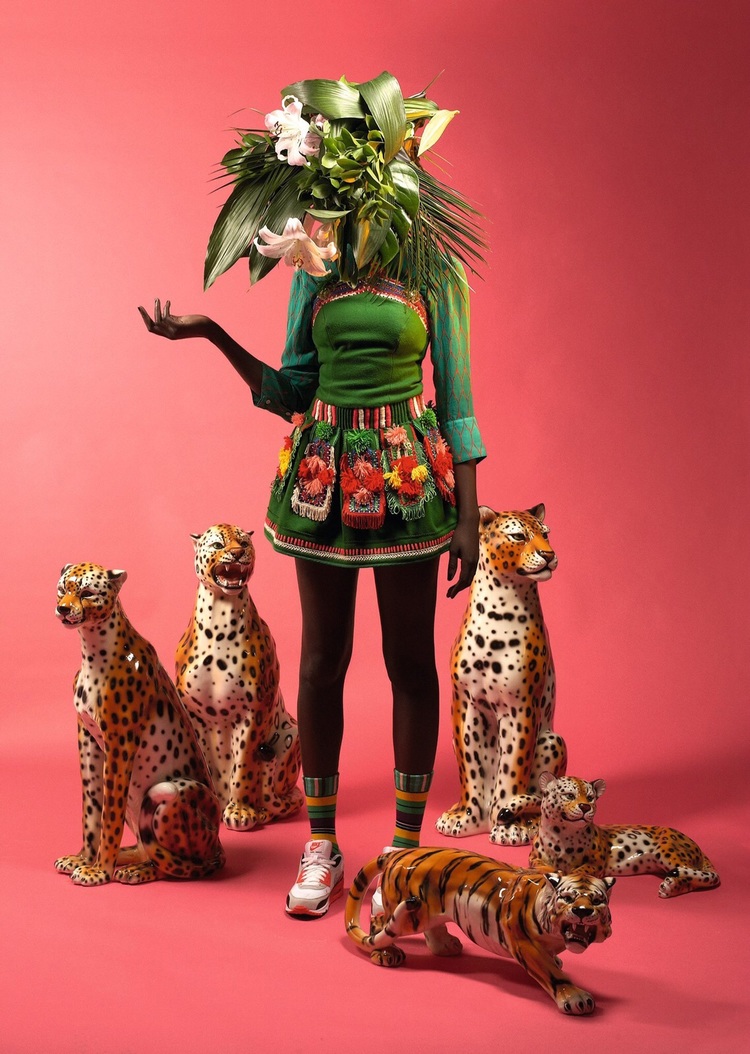 If you have ever wondered what you would take with you in your ‘after-life’, then step into the Coffin at 1:54 Contemporary African Art Fair. ARTCUBE was brave enough to experience, along with our art market expert Magnus Resch, the multiple art pieces on display. From blown up coffin’s marked with the notorious label of Pepsi and that 90s kid’s Nokia phone to President Obama’s portrait pimped-out, we are glad to say that this exhibition has it all.